


Why Novo Nordisk’s CEO Sees an Opportunity for Health at Live Music


.jpg)
Key Takeaways
Novo Nordisk partnered with Live Nation and Forum for Men’s Health at COPENHELL in Denmark to reach men with an approachable conversation about physical and mental health.
The COPENHELL initiative generated more than one million video views in Denmark and prompted Novo Nordisk to explore bolder ways to meet people where they are.
Novo Nordisk President and CEO Mike Doustdar says live music is one of the world’s most powerful convenors of people and sees more opportunity for collaboration with Live Nation.
.png)
After bringing a men’s health initiative to COPENHELL in Denmark, Novo Nordisk President and CEO Mike Doustdar talks with Live Nation’s Russell Wallach about meeting people where they are, taking creative risks and why live music is becoming part of the company’s thinking.
How does one of the world’s largest healthcare companies get people talking about a subject many would rather avoid?
For Novo Nordisk, one answer started at a heavy metal festival.
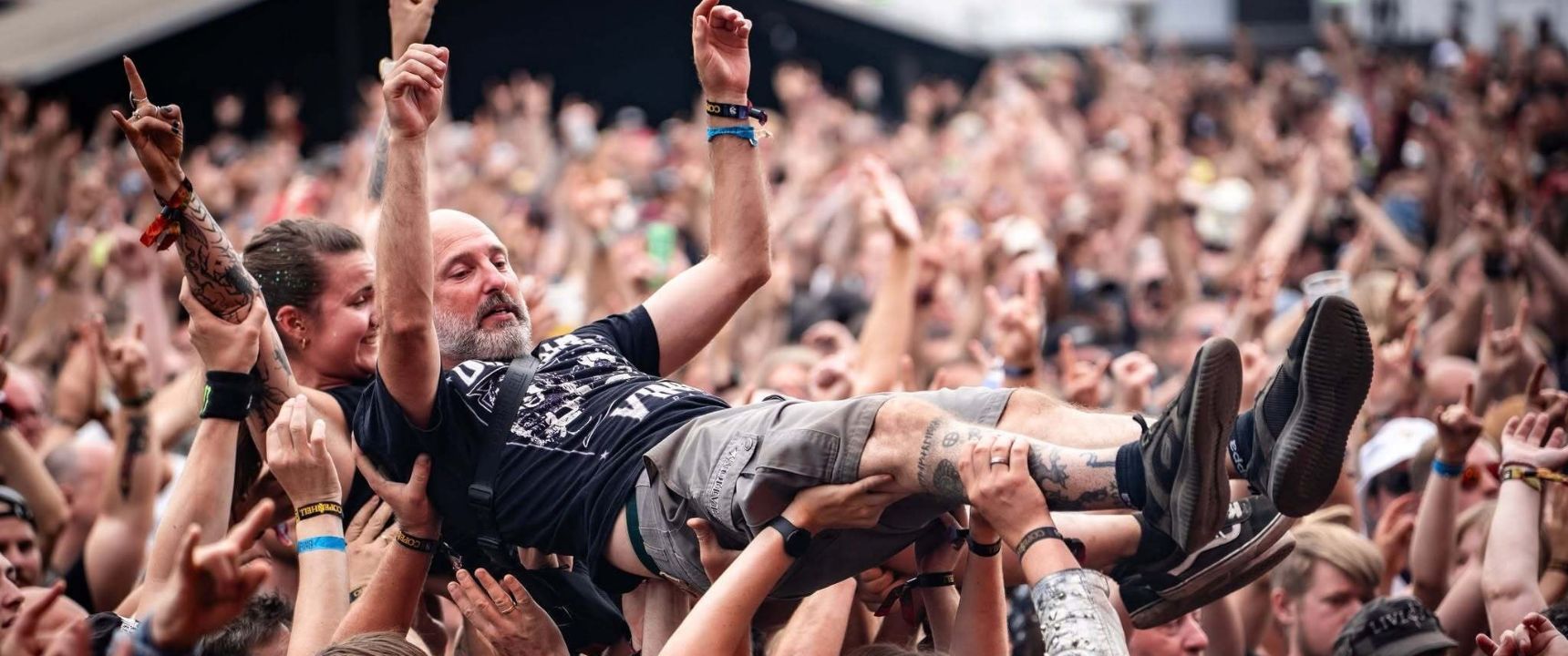
At COPENHELL in Denmark, where around 70% of fans are men, Novo Nordisk, Forum for Men’s Health and Live Nation created the Hellth Challenge, inviting fans to test their strength, stamina and reflexes through seven physical challenges with friends.
The idea was deliberately simple: make an important conversation about men’s health feel natural in a place people had already chosen to be.
The response extended well beyond the festival. Videos around the initiative generated more than one million views in Denmark, a country of roughly six million people. And inside Novo Nordisk, the experience prompted a bigger conversation about how the company can meet people in new ways.
Live Nation Global President, Media & Sponsorship Russell Wallach spoke with Novo Nordisk President and CEO Mike Doustdar about why the company is looking beyond traditional healthcare settings, what COPENHELL taught his team and where he sees an opportunity for live music to play a larger role.
RW: That thinking took you somewhere unexpected: COPENHELL. Why was a heavy metal festival the right place to start a conversation about men’s health?
MD: Lifelong health, whether it’s mental or physical, depends on conversations. That could be with a healthcare professional or it could be with friends and family but the conversation is what often acts as a catalyst for improved health.
The reality is women are generally better at seeking help and support for their health. Men on the other hand live 3-4 fewer years than women.
We want to be a part of turning that around and COPENHELL was a great place to start. It is one of the largest festivals in Northern Europe, where the participants are mostly men aged between 35-55, and a fair proportion are considered overweight or obese.
So we decided to partner with Forum for Men’s Health and Live Nation to find ways to kickstart a conversation about men’s health and I think we succeeded in helping people think and talk differently about the health challenges men face.
RW: When you were designing the experience, what did you hope fans would take away from the moment?
MD: As with any event, there’s a before, during and after and we looked at all of them as opportunities to start the conversation. Before the event, we filmed some great content with partners and put that out on social media. The pick-up and engagement was remarkable because I think people didn’t expect a collaboration between COPENHELL and Novo Nordisk but the more they thought about it, the more it made sense. So the first target was getting fans interested.
At the event, we wanted the activation to be fun so we designed a series of challenges that festival-goers could undergo. The challenges tested strength, reactions, stamina and so on but really, the target was for fans to have fun with friends. It was a hook for conversation and I think it achieved that.
After the event, of course, we were able to go back to social media to highlight the partnership and kickstart the topic again but of course, we’re already looking forward to how we turn it into a longer conversation that changes how men think and talk about their health.
RW: What have you seen since COPENHELL that surprised you most?
MD: The interest and engagement has been quite overwhelming, with a combined 1 million plus views across videos, which is pretty remarkable given Denmark’s population is around 6 million. We also received very positive feedback from both participants and media in general because they agreed that we were shining a light on an important and under-discussed topic.
I think it also made our own colleagues think differently about how we can be bolder and perhaps more creative in how we meet people where they are. COPENHELL is not an isolated “event” or activation but an important element in a larger approach to engage people, whether men or women, about their health and making choices today to lead a longer, healthier life.
RW: Looking ahead, where do you see the greatest opportunity for live music to help people engage with their health in new ways?
MD: Longevity and health are important topics across the world right now and you see conversations around health interact with every aspect of popular culture, not least music and festivals.
Live music brings together millions of people around the world every day. Along with sport, it is possibly the most powerful convenor of people and conversations in the modern world. Fans can be different but ultimately, they have their own health to think about but also the health of their families and friends. If we can find the right activations, it can be a fun and immersive way to help those fans lead longer, healthier, lighter lives. The important thing is that the interactions should be organic and be a part of a conversation that is either already happening or should be happening, like with men’s health.
That’s why it makes sense for companies like ours to partner with Live Nation, particularly where we have something to say or a conversation that we believe should be kickstarted. It’s a powerful way to meet people where they are and when they are most open to new experiences.
I’ll certainly be looking forward to more opportunities for collaboration over the coming months and years.